How Age Affects Dental Implants in Bakersfield CA

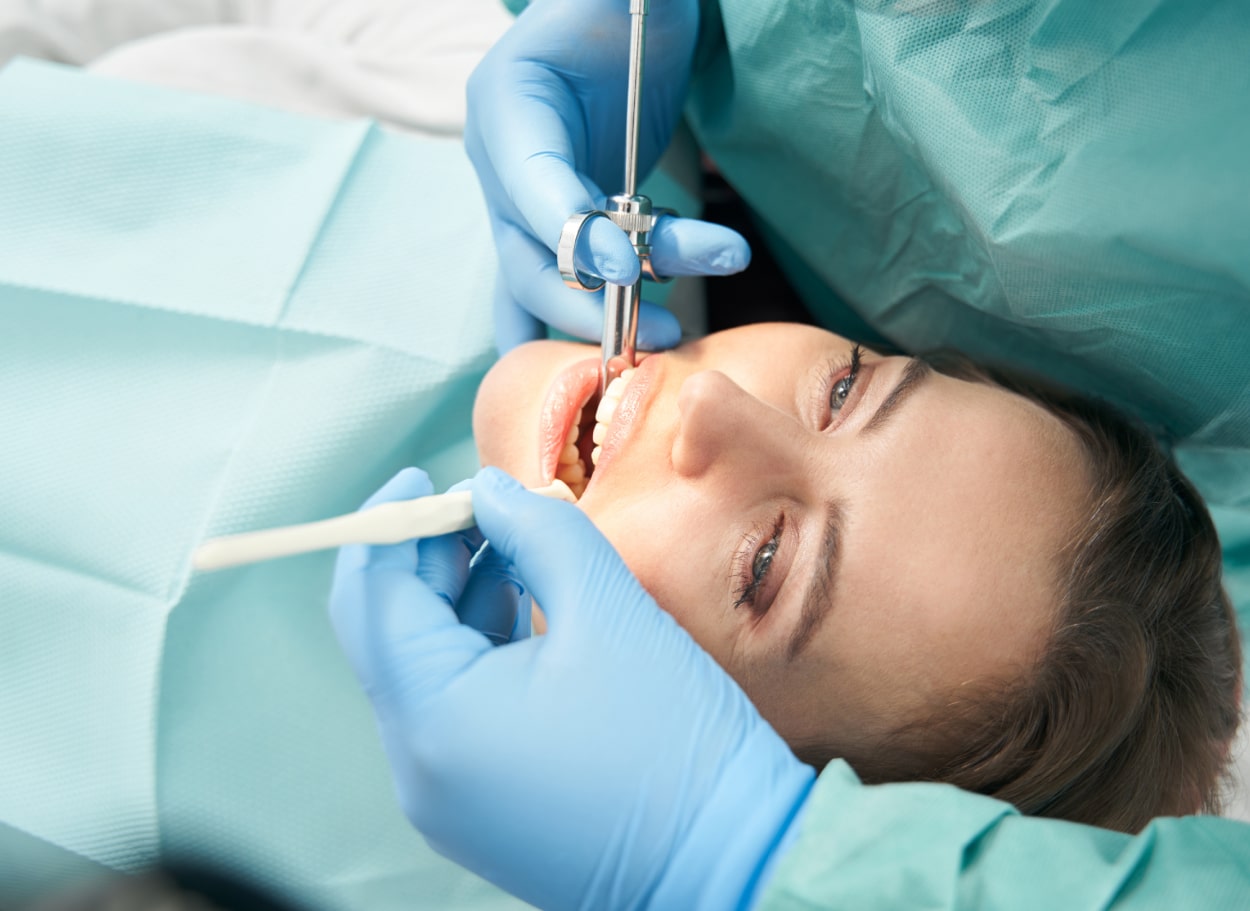
Age comes up in almost every serious conversation about tooth replacement. Some patients ask whether they are too young for implants. Others worry they waited too long. In practice, age matters, but not in the simplistic way many people assume. A birth date by itself does not decide whether implants will work. Bone development, gum health, medical history, healing capacity, daily habits, and expectations matter far more.
That said, age does shape the decision-making process. A 19-year-old missing a front tooth presents a very different set of concerns than a 72-year-old who wants to stabilize a lower denture. The implant itself may be similar, a small titanium or zirconia post placed in the jawbone, but the timing, planning, and long-term maintenance can change significantly depending on the patient’s stage of life.
In a place like Bakersfield, those differences often show up in practical ways. Patients work outdoors in heat, manage demanding schedules, or delay care because life gets busy. Some have lived with missing teeth for years and have already lost bone volume. Others are younger and active in sports, where trauma can lead to early tooth loss. When people search for Dental Implants Bakersfield CA, they are usually looking for one answer, “Am I a good candidate?” The honest answer is more specific. It depends on how age intersects with oral health and overall health.
Age matters, but development matters more
For younger patients, the main concern is usually not whether the jaw can hold an implant today. It is whether the jaw has finished growing. Dental implants behave like ankylosed structures, meaning they do not move with the surrounding teeth as the jaws continue to develop. If an implant is placed too early, especially in the front of the mouth, it can end up looking shorter or out of alignment over time as natural teeth continue to shift and erupt subtly.
This is one of the biggest reasons surgeons and restorative dentists are cautious with teenagers and very young adults. A patient may be mature, healthy, and highly motivated, but if facial growth is not complete, waiting can prevent esthetic and bite problems later. The exact timing varies. Some people complete growth in their late teens, others later. Wrist X-rays, cephalometric analysis, and serial records can help determine whether growth has stabilized.
I have seen younger patients feel frustrated by that answer. They want a permanent fix, especially if they lost a visible tooth in an accident. In those cases, a temporary solution often serves them better than a rushed implant. A well-made retainer with a prosthetic tooth, a bonded temporary option, or another interim restoration can protect appearance and confidence while the jaw finishes developing. It does not feel as satisfying as “done,” but it is often the wiser choice.
The twenties and thirties, often the sweet spot
For many adults in their twenties and thirties, implant treatment is relatively straightforward if they are otherwise healthy. Bone metabolism is generally favorable, healing tends to be efficient, and systemic disease burden is often lower than in later decades. This age group may lose teeth due to trauma, failed root canal treatment, congenital absence, or longstanding decay that finally reached the point where a tooth could not be saved.
This is also the age range where timing can make a huge difference. If a tooth is removed and replaced with a well-planned implant in a timely manner, the patient may preserve more bone and gum architecture. If the space sits empty for years, the ridge can shrink. The longer the delay, the more likely a graft will be needed to rebuild lost volume before or during implant placement.
A common misconception is that younger patients automatically make ideal implant candidates because they are young. Smoking, uncontrolled teeth grinding, neglected cleanings, and active gum disease can derail that assumption quickly. A 32-year-old with inflamed gums and heavy plaque is often a poorer candidate than a disciplined 68-year-old who keeps meticulous home care and sees the hygienist regularly.
Middle age and the cumulative effect of dental history
By the forties and fifties, age itself still rarely disqualifies someone from implants. What changes is the amount of dental history that needs to be factored in. This is the period when old crowns start failing, root fractures become more common, and years of grinding can finally show up as cracked teeth or bite collapse. Some patients also begin taking medications for blood pressure, reflux, diabetes, or autoimmune conditions, each of which can affect treatment planning in https://beauikjv918.alderbrief.com/posts/dental-implants-bakersfield-ca-what-happens-during-surgery small but meaningful ways.
This is where implants can be transformative, but they need to be placed in context. If someone has lost one molar because of a vertical root fracture, a single implant may be a clean, durable solution. If someone is missing several back teeth and has compensated by chewing heavily on the front teeth for years, the case may involve more than simply filling spaces. Bite forces, wear patterns, arch stability, and periodontal condition all need to be evaluated together.
One of the more subtle age-related issues in this group is the gradual drop in salivary flow some patients experience, whether from medication, stress, or underlying medical issues. A dry mouth does not prevent implants, but it can raise cavity risk on the remaining teeth and make gum tissues more prone to irritation. A strong implant plan in middle age is not just about placing fixtures. It is about building a mouth that remains maintainable over the next two or three decades.
Older adults are often better implant candidates than they expect
Many adults in their sixties, seventies, and even eighties assume implants are off the table. Often, they are pleasantly surprised to learn otherwise. Chronological age alone is not a barrier. I have seen healthy older adults heal beautifully and adapt to implant-supported restorations with remarkable ease. In some cases, they are among the most reliable patients because they understand the value of maintenance and follow instructions carefully.
For older adults, the question shifts from “Am I too old?” to “What is the safest and most predictable version of treatment for me?” Sometimes that means a single implant. Sometimes it means two implants to retain a lower denture, which can dramatically improve stability, comfort, and ability to chew. For a patient who has spent years fighting with a loose lower denture, even a modest implant plan can change daily life. Eating lettuce, speaking confidently, and not worrying about the denture lifting in public can matter more than people realize.
Still, there are age-related factors that deserve careful attention. Bone density may be reduced. Healing may be slower. Medical complexity is more common. Some older adults take bisphosphonates or other medications that require a thoughtful discussion about bone turnover and surgical risk. Others are on blood thinners, which usually do not rule out implant surgery but do require coordination with medical providers and careful surgical technique.
The key point is this: many older patients are excellent candidates, but treatment planning should be individualized and conservative where appropriate.
Bone changes over time, and timing matters
The jawbone is living tissue. When a tooth is lost, the bone that once supported that tooth no longer receives the same stimulation. Over time, that area begins to shrink in height and width. This process can happen at any age, but the consequences often become more visible in older adults because they have lived with missing teeth longer.
In the upper back jaw, bone loss may combine with sinus expansion, leaving less available bone for implant placement. In the lower jaw, prolonged tooth loss can create narrow ridges that need grafting or narrower implant strategies. In the front of the mouth, shrinking bone can affect lip support and the esthetic result.
This is one reason early evaluation matters. A patient does not need to commit immediately, but understanding the condition of the bone can help them make a more informed timeline. A cone beam scan often reveals whether the site is favorable now or likely to become more complicated if treatment is delayed.
In Bakersfield, where people often put off elective treatment until a problem becomes impossible to ignore, this conversation is especially relevant. Waiting is understandable. Cost, work schedules, caregiving responsibilities, and fear all play a role. But from a biological standpoint, missing-tooth spaces rarely get easier with time.
Gum health becomes more important with age, not less
A stable implant depends on healthy surrounding tissue. That means the gums and supporting bone around both the implant and neighboring teeth need to be under control before surgery begins. Active periodontal disease is one of the most common reasons a case needs to be slowed down.
This becomes particularly important as patients age because gum disease tends to accumulate quietly. Many people do not notice it. They may have occasional bleeding, slight recession, or shifting teeth, but no pain. Then they are surprised when imaging shows bone loss that changes the implant plan.
Implants are not immune to inflammation. The tissues around them can develop peri-implant mucositis or peri-implantitis if plaque control is poor. Patients who have a history of periodontal disease can still do very well with implants, but they usually need closer maintenance and clear expectations. The implant is not a “set it and forget it” solution. In many ways, implants reward disciplined patients and punish neglect.
Medical conditions that often intersect with age
The relationship between age and implants is often really a relationship between age and health status. Certain conditions become more common as people get older, and they can influence healing or long-term success.
A short list of frequent considerations includes:
- Diabetes, especially if poorly controlled, which can slow healing and increase infection risk.
- Osteoporosis and related medications, which may affect bone remodeling and surgical planning.
- Cardiovascular disease and blood thinners, which require attention to safety during surgery.
- Autoimmune conditions or immunosuppressive medications, which can alter healing patterns.
- Tobacco use, which remains a major risk factor across all ages.
None of these automatically rules out treatment. What matters is the degree of control, the type of procedure planned, and the coordination between dental and medical teams. A well-controlled diabetic patient may be a perfectly good candidate. A heavy smoker with uncontrolled periodontal disease may not be, even if they are much younger.
Healing changes with age, but predictability often remains high
Older patients often ask whether they will heal “too slowly” for implants. Healing can be slower with age, but slower is not the same as poor. The body still heals. It simply may need more time and a more measured surgical approach. This is why an experienced clinician pays attention to factors such as soft tissue thickness, primary stability at placement, whether grafting is needed, and how much load the implant will bear during integration.
For example, an immediately placed implant with a temporary tooth can be an elegant option in the right younger or middle-aged patient with good bone and low bite risk. In an older patient with thinner tissue, a history of clenching, and limited bone volume, a staged approach may be safer and more predictable. That does not make the result inferior. It often makes it wiser.
Patience is underrated in implant dentistry. Some of the best long-term outcomes come from cases where the team resisted the temptation to rush.
Appearance goals shift with age, but esthetics still matter
Younger patients often focus intensely on symmetry, gum contours, and how an implant crown blends with adjacent natural teeth in photos. Older patients may prioritize function and comfort, but esthetics still matter deeply. Nobody wants a replacement tooth that looks bulky, flat, or out of place.
Age changes soft tissue quality, lip support, and wear patterns, all of which affect the final design. In the front of the mouth, a highly visible implant may require more careful tissue management regardless of age. In the back of the mouth, the emphasis may be on durable chewing function and easy cleaning access.
One of the most important judgment calls in implant treatment is knowing when perfection is realistic and when “excellent and maintainable” is the better target. A patient who lost significant bone years ago may still get a beautiful, functional result, but the exact gum shape may not mirror the neighboring tooth perfectly without more advanced grafting. That trade-off should be discussed openly, especially with adults who have waited a long time to replace a missing tooth.
Denture patients and the age factor
One of the clearest examples of age affecting implant recommendations is the longtime denture wearer. The longer a person has worn a removable denture, especially a lower denture, the more bone loss may have occurred. That can make conventional dentures looser and more frustrating over time.
For these patients, implant support can make a dramatic difference. The plan does not always need to be extensive. Even two lower implants can improve retention significantly. For some, that is the ideal balance of cost, surgery, and function. Others may benefit from a more comprehensive fixed option, but not everyone needs that level of treatment.
What matters is matching the solution to the patient’s anatomy, dexterity, budget, and goals. An older patient with arthritis in the hands, for instance, may need a prosthesis design that is easier to clean and manage. Another may value removability because it simplifies hygiene. Age shapes those preferences in very practical ways.
Questions worth asking at any age
The right implant consultation usually has less to do with sales language and more to do with careful diagnosis. Patients in Bakersfield exploring Dental Implants Bakersfield CA should expect a conversation that covers more than the missing tooth itself.
A useful consultation should clarify:
- Whether jaw growth is complete, if the patient is young.
- How much bone and gum support remain at the site.
- Whether gum disease or bite issues need treatment first.
- What medical conditions or medications might affect healing.
- Which option offers the best balance of longevity, esthetics, and maintenance.
Those questions often reveal that age is just one variable among many. They also prevent the common mistake of comparing one person’s implant story to another’s. A friend may have had an implant placed in a single visit with a crown a few months later. That does not mean the same timeline fits every case.
Bakersfield-specific realities that influence timing and maintenance
Geography does not change biology, but it does shape habits. In Bakersfield, dry conditions, physically demanding jobs, and long work hours can affect how people care for their mouths. Outdoor workers may go long stretches without water, increasing dry mouth symptoms. Shift workers sometimes postpone cleanings or ignore a broken tooth until it fails completely. Agricultural, oilfield, transportation, and service jobs can make scheduling recovery time difficult.
These realities matter because implant success depends on follow-through. Good home care, routine maintenance, smoking reduction or cessation, and showing up for follow-up visits all improve outcomes. Patients who know their schedules are chaotic may do better with treatment plans designed for simplicity and durability rather than complexity.
That is another way age enters the picture. A younger patient may want the fastest cosmetic solution. A middle-aged patient juggling family and work may need the least disruptive pathway. An older retired patient may have more flexibility for staged care and maintenance visits. None of these priorities is wrong. They simply lead to different choices.
What the best candidates have in common
The strongest implant candidates are not defined by age bracket. They tend to share a few practical traits. They understand the process, accept that planning matters, and are willing to maintain the result. They also have realistic expectations about cost, healing time, and the occasional need for grafting or preparatory treatment.
Someone can be 27 and a poor implant candidate because they smoke heavily and avoid cleanings. Someone else can be 78 and an excellent candidate because their diabetes is controlled, their hygiene is strong, and they want a stable solution they will actually care for. That contrast plays out every day in real practice.
The bottom line on age and dental implants
Age affects dental implants in meaningful ways, but mostly through growth, bone changes, medical complexity, healing pace, and long-term maintenance needs. It does not work like a hard cutoff. Younger patients may need to wait until development is complete. Middle-aged adults often benefit from addressing tooth loss before bone and bite problems progress. Older adults are frequently better candidates than they expect, especially when treatment is tailored thoughtfully.
For anyone considering Dental Implants Bakersfield CA, the smartest next step is not asking whether you are too young or too old. It is asking whether your mouth, your health, and your goals line up for a predictable result. A careful exam, appropriate imaging, and an honest discussion of trade-offs will answer that far better than age alone ever could.
Smyle Dental Bakersfield
2016 E St, Bakersfield, CA 93301, United States
+16614939040
FAQ About Dental Implants Bakersfield CA
What is the downside of a dental implant?
The main downsides of dental implants involve high financial costs, surgical risks, a lengthy healing process, and the potential for long-term complications.
How much does a full set of implants usually cost?
A full set of dental implants (covering both the upper and lower arches) typically ranges from $6,000 to $90,000+, depending heavily on the type of treatment, materials used, and whether the teeth are fixed or removable.
Can I have all my teeth pulled and get implants?
Yes, you can have all your teeth pulled and replaced with dental implants. Instead of placing a separate implant for every single tooth (which is costly and time-consuming), dentists typically use full-arch systems.